Introduction to Zendesk
In today’s digital-first business environment, providing seamless and efficient customer service has become a critical differentiator for companies across industries. Zendesk, a leading customer service software provider, has emerged as a powerful solution that empowers businesses to build stronger relationships with their customers. Founded in 2007 in Copenhagen, Denmark, and now headquartered in San Francisco, California, Zendesk offers a cloud-based platform that simplifies the customer support process by streamlining communication, improving response Zendesk times, and enhancing user satisfaction. The software is widely used by startups, mid-sized companies, and large enterprises alike, thanks to its intuitive interface, scalability, and rich set of features designed to meet the needs of modern customer service teams.
Core Features and Capabilities of Zendesk
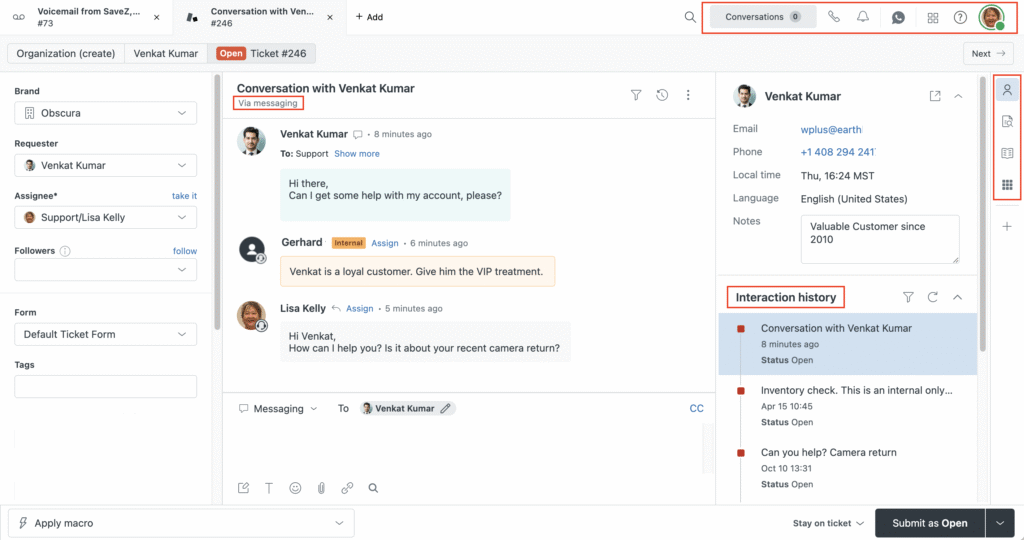
At the heart of Zendesk’s appeal is its comprehensive suite of features tailored to support various aspects of customer service. One of the most prominent tools is the Zendesk Support Suite, which unifies multiple communication channels—email, chat, phone, social media, and self-service portals—into a single, easy-to-use interface. This omnichannel approach enables agents to provide consistent support regardless of how customers reach out. Moreover, the platform’s ticketing system automatically organizes and prioritizes customer inquiries, ensuring that nothing slips through the cracks. Zendesk also offers AI-powered tools, such as Answer Bot, which uses machine learning to suggest relevant help articles to users, thus reducing the volume of support tickets. Other notable features include customizable workflows, automated triggers, real-time analytics, and a powerful knowledge base system that allows companies to provide 24/7 self-service support.
Benefits of Using Zendesk for Businesses
Businesses using Zendesk often report a significant improvement in customer satisfaction scores and agent productivity. One major benefit is the ability to provide faster response times, which directly impacts the customer experience. By centralizing communication and leveraging automation, support teams can handle more queries in less time. Additionally, Zendesk’s analytics and reporting tools provide valuable insights into customer behavior, support team performance, and common service issues, allowing organizations to make data-driven decisions and continuously improve their service operations. Scalability is another key advantage; Zendesk is designed to grow alongside a business, accommodating everything from small teams to global support operations. It also integrates seamlessly with popular business tools like Salesforce, Slack, Shopify, and more, further enhancing workflow efficiency.
Zendesk in Various Industries
Zendesk’s versatility has made it a popular choice across a wide range of industries, including e-commerce, SaaS, healthcare, education, and finance. For e-commerce businesses, Zendesk helps manage large volumes of customer inquiries during peak shopping seasons, such as Black Friday or holiday sales, while also providing tools for tracking returns, shipping issues, and payment queries. In the SaaS sector, Zendesk supports technical troubleshooting, onboarding assistance, and product feedback collection. In healthcare and education, where timely and sensitive communication is crucial, Zendesk ensures that queries are addressed promptly and securely, helping institutions maintain trust and compliance. This cross-industry applicability showcases Zendesk’s flexibility and ability to adapt to varying customer service demands.
Future of Zendesk and Customer Service
As customer expectations continue to evolve, the role of intelligent, proactive support platforms like Zendesk will only become more critical. The company is heavily investing in artificial intelligence, automation, and predictive analytics to provide a more proactive service experience. With trends like conversational commerce, omnichannel engagement, and hyper-personalization shaping the future of customer interactions, Zendesk is positioned to lead the next wave of customer experience innovation. By continuing to simplify complex service processes and enhancing human-agent collaboration through AI, Zendesk is not only responding to the demands of today but also anticipating the needs of tomorrow’s businesses.
Conclusion
Zendesk has proven itself to be much more than just a customer service tool—it’s a robust, scalable platform that enables businesses to deliver exceptional customer experiences across all touchpoints. Its feature-rich environment, user-friendly design, and adaptability across industries make it a top choice for companies looking to modernize their support operations. As digital transformation continues to reshape the business landscape, Zendesk stands out as a powerful ally in helping organizations connect with customers more effectively, resolve issues faster, and build lasting relationships.